
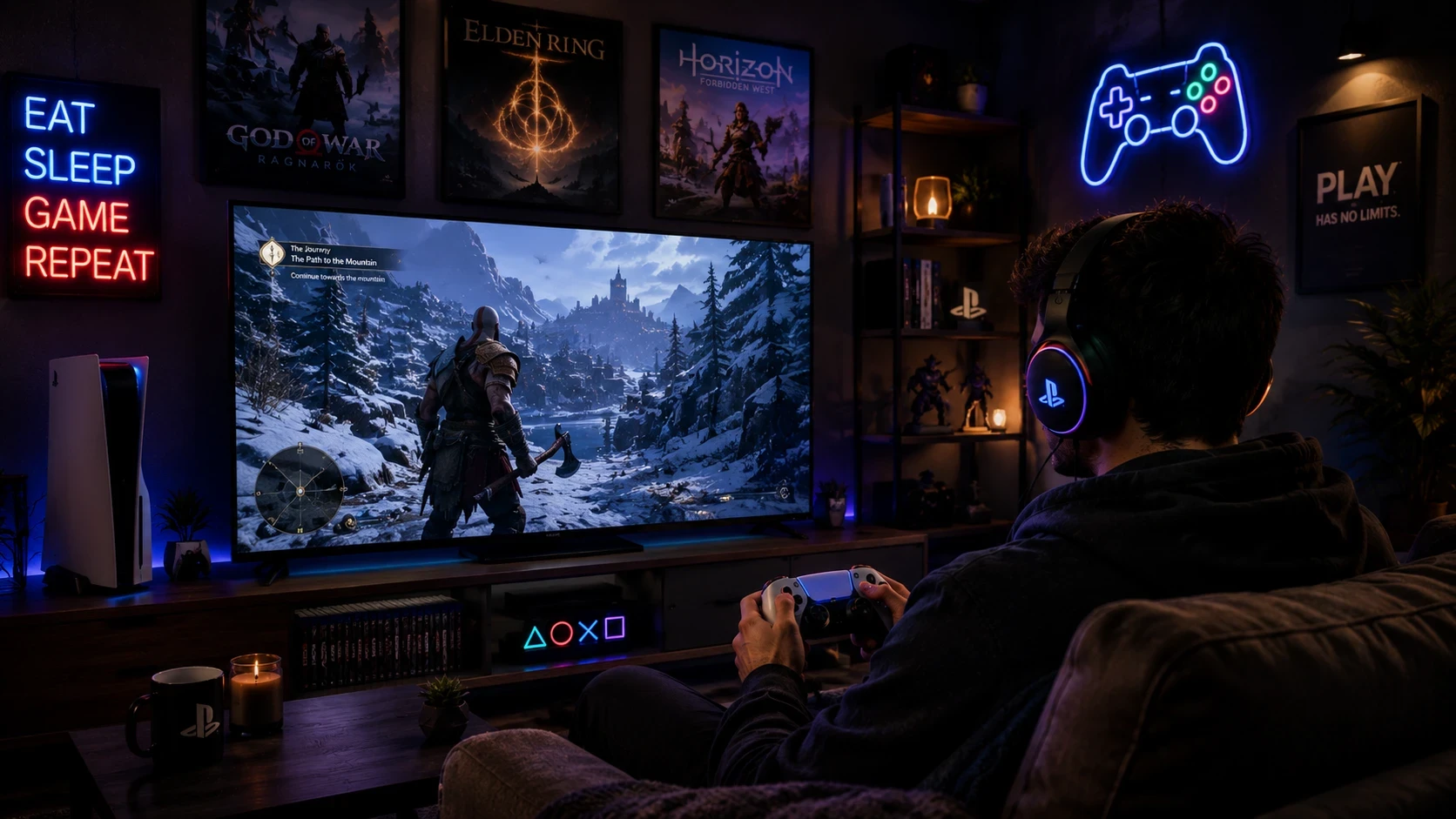
Let’s face it, gaming has leveled up with the arrival of new-generation consoles like Xbox Series X and PlayStation 5. These powerhouses aren’t just about pretty graphics (though the 4K gaming is a win)—they’re changing how we experience games. With blistering fast load times, higher frame rates, and advanced haptic feedback, gaming feels more real and immersive than ever. So, if you’re all about high-octane, seamless adventures, these consoles are a massive game-changer.
Cloud gaming is another big thing right now. Seen any Google Stadia or Amazon Luna ads lately? They promise to let you play anywhere, any time, without worrying about hardware constraints. Everything happens in the cloud, which means gamers just need a screen and an internet connection. It’s like magic for those who want the convenience of gaming on-the-go without forking out for the latest consoles.
Remember when you had to own the same gaming system as your friends to play together? Cross-platform play has smashed that barrier. You can now squad up with your buddies whether they’re on Xbox, PlayStation, or even on their phones. This is changing how communities form around games. We’re moving towards a more inclusive gaming world—and who doesn’t want options when it comes to hanging out online?
Got your eye on the future? Tech like 8K gaming and AI-driven game design is peeking over the horizon. These innovations could redefine what’s possible in terms of graphics and gameplay adaptability. Imagine games that learn and adapt to your playstyle over time—talk about next level! The future’s looking bright for gamers, with cutting-edge tech promising even more revolutionary changes.
The Expanding Landscape of Virtual and Augmented Reality
Virtual and Augmented Reality (VR/AR) are no longer just futuristic fantasies—they’re a big part of today’s gaming landscape. Devices like the Oculus Quest are pushing boundaries, offering experiences that are incredibly immersive. These gadgets give gamers the kind of presence and freedom that regular screens just can’t match. Ever imagined standing at the edge of a virtual cliff or fighting off zombies that seem all too real? VR is turning such fantasies into virtual realities.
Augmented Reality is making waves, too, especially on mobile devices. Remember the Pokémon GO craze? That was just the tip of the AR iceberg. The world around you becomes a canvas, blending real-life settings with digital overlays, bringing games to life right on your phone. It’s opening a whole new realm of social gaming, where your local park can transform into a battleground, or your backyard can host a dragon fight.
However, let’s not sugarcoat it—there are challenges. VR/AR hardware isn’t cheap, and not everyone’s got room for VR setups. Developers are tasked with creating experiences that justify the costs while ensuring prolonged sessions don’t lead to discomfort. But as tech becomes more affordable, these barriers will likely recede, making VR/AR more accessible to the casual gamer.
Success stories in VR/AR gaming, like “Beat Saber” and “Half-Life: Alyx,” show us the potential of these technologies. They’re setting the bar for what experiences can become, combining immersive storytelling with interactive environments that are nothing short of magical. Following these examples could inspire developers to explore innovative paths that really push the envelope and draw more gamers into the fold.
Gaming as a Social Platform: The Future of Community and Interaction
Video games are way more than just games these days—they’re seriously becoming the go-to place for social interaction. Titles like Fortnite and platforms like Roblox are transforming into vast virtual playgrounds where players meet up, hang out, and create their own stories. From virtual dances to hosted concerts, these platforms offer experiences beyond traditional gaming.
Online connectivity is reshaping the way players interact, fostering massive online communities. We’re seeing players form friendships across the globe, all gathered around shared gaming interests. These digital gathering spots can create a strong sense of community, yet they must be managed with care to ensure they’re welcoming and positive environments.
Let’s talk about Esports—a booming scene that’s taking gaming to a whole new level. These events aren’t just about watching games; they’re huge social spectacles. They’ve brought partnerships with big sports brands and even schools offering Esports scholarships. It’s an amazing time to be a gamer with institutions recognizing gaming skills and creating new career paths.
Developers have a big responsibility in shaping these digital social spaces. Curating environments where everyone feels safe and respected is as important as the game mechanics themselves. Taking steps to promote inclusivity and combat toxic behavior is crucial. After all, the heart of gaming is about having fun and connecting with others in creative, meaningful ways.